Hegemony in trade
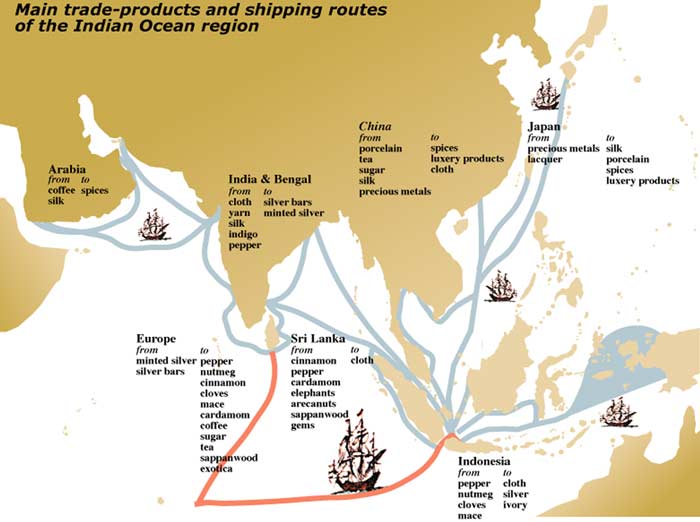
Looks like the Dutch weren’t so monopolistic after all…

China’s government, so sneaky! Funneling silver; yet Europeans called themselves smart. Laughable!
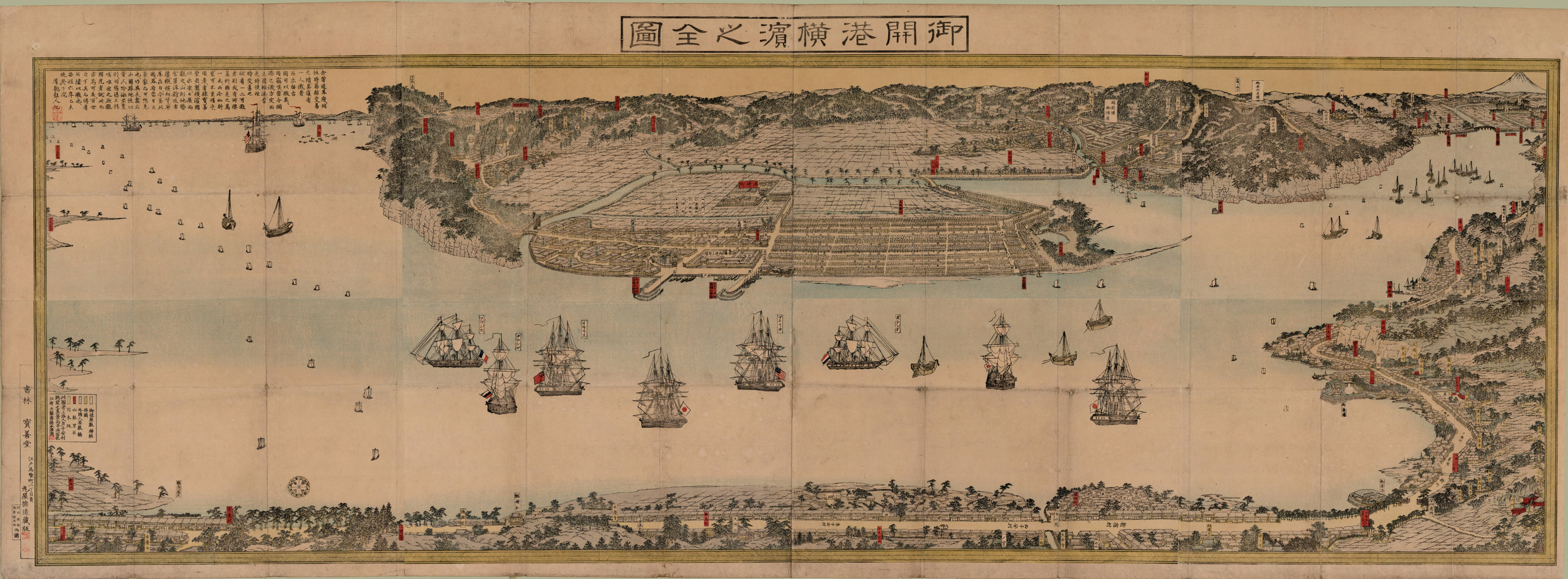
Japan might’ve been closed off, but the Tokugawa shogunate wasn’t so quick to give up on trade—in fact, they made it better.

The Hudson’s Bay Company had to be organized in order to evenly distribute its forts logically. This demonstrates the power of government.
| Commoners | vs. | Authorities (Governments) |
| The Dutch East India Company tried to enforce their monopoly on spices in Indonesia by excluding Asian merchants from Indonesian ports. The Portuguese inroads into the Indian Ocean trade network during the early 16th century demonstrated the government’s military might. Merchants submitted to the government, for example the cartaz pass that merchants must purchase while docking at one of many Portuguese ports. The Portuguese controlled certain key Indian Ocean ports but failed to control the entirety of the supply chain. Over half of merchants did not submit and purchase a cartaz; rather, they used other paths in other countries that didn’t require submitting to the Portuguese. | Historical context | England gave the Hudson Bay Company a Royal Charter, allowing them to trade fur with Native Americans. For many years, the island of Japan was plagued by the vicious feudalistic ideals of conquest and expansion—senseless fighting. Feudalism destroyed any sense of hope for the isolated island to progress or produce.The Tokugawa Shoguns used silver-generated profits to defeat hundreds of rival feudal lords and unify the country as an authority figure. The silver allowed for more authority for the shoguns to organize the country’s vigorous merchant class to develop a market-based economy. When China required taxes to be paid in silver, Chinese artisans seeking to export their excellent craft goods wanted exactly that as payment for their exports. Luckily, Europeans seeking these well-crafted goods to supply their homelands submitted to China’s argentine requirements, essentially funneling American silver to Asia. |
| See this essay on Google Drive | Argument | See this essay on Google Drive |